The UK is considered an attractive place for research and development (R&D), in addition to being a home to many prestigious academic establishments for cultivating talent and innovation. Companies like NVIDIA have recognised this potential, investing $100 million into building the UK’s most powerful supercomputer, Cambridge-1. Foreign investments and funding isn’t a substantial problem for the country because they have already positioned themselves as a leader in technological advancement for decades.
UK Research and Innovation (UKRI) is an organisation that provides funding to scale innovative commercial projects and they are sponsored by the Department for Science, Innovation and Technology (DSIT). The structure of this public body consists of nine multidisciplinary research councils, offering grants to opportunistic businesses who they believe will drive innovation and inclusive research across the UK as well as internationally. Innovate UK is one of the selected members of the governing council, responsible for fulfilling the government’s vision of transforming the UK into a global hub for innovation by 2035.
UK Innovation Strategy listed 7 technology families, identified as the strongest opportunity for growth:
- Advanced materials and manufacturing
- AI, digital and advanced computing
- Bioinformatics and genomics
- Engineering biology
- Electronics, photonics and quantum
- Energy and environment technologies
- Robotics and smart machines
AI, digital and advanced computing is the most relevant group applicable to the digital creative industry. The success story of the UK film industry in attracting investments from studios like Pinewood, Sky Studios, Disney and Sony, exemplifies the importance of this sector in the overall contribution to the UK’s economy.
“In 2014, Industrial Light and Magic film production and visual effects company opened in London, creating more than 1000 jobs and generating $1 billion for the UK economy, producing popular work like Star Wars, The Last Jedi and Jurassic World.”
Source : Building the future economy – Innovate UK
With all the creative studios and production companies in mind, the potential to have the UK to not only lead the film industry but also in the overall entertainment industry is a genuine possibility. Establishing the future economy of immersive technologies is also within the radar of the UKRI scope and the new ‘Audience of the future challenge’ invested £39.3 million in the development of new immersive experiences in virtual, augmented and mixed reality. New research into immersive productions and delivery are regularly commissioned, providing a better understanding of the limitations and the likely response from this new type of audience. On top of that, accessibility of talent directly from the film industry is another pull factor which will benefit the future immersive economy of the UK because of the transferable knowledge from the two domains.
“VR and AR have the potential to deliver a $1.5 trillion boost to the global economy by 2030”
Source: PwC ‘Seeing Is believing’ report, 2019
Forecasting growth in the global economy can sometimes be over optimistic because it’s also dependent on the global circumstances that have not yet happened. However, this did not dissuade the UK from taking advantage of this valuable insight and have decided to take the initiative preparing for this technological shift.
With the announcement of the ‘Creative Sector Deal’ by the UK in 2018, it showcased the grand ambition of doubling down on their global creative immersive content market share, which is expected to be worth over £30 billion by 2025. Over £150 million funding will be allocated into cultural and creative businesses across Britain, with the government looking into investing over £33 million within immersive technologies like virtual reality, interactive art shows and augmented reality experiences. Ideally, the UK government would want to use this opportunity to push the industry further into the next generation and secure Britain’s dominance over the creative industry, whilst the immersive industry is still relatively young.
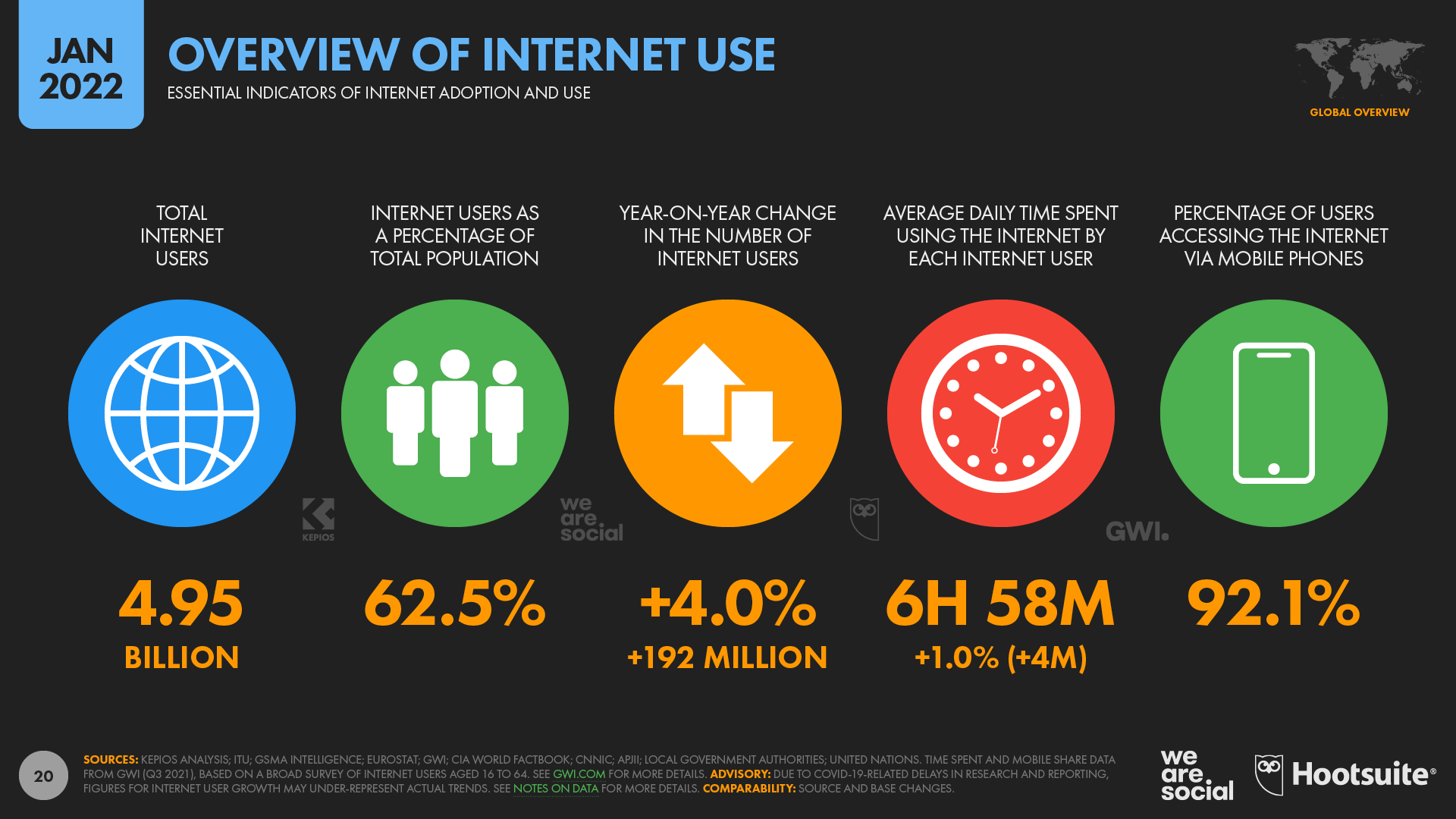
The amount of time a person spends digitally has been growing consistently year on year and this trend is likely to continue for the foreseeable future. Shifting into the digital realm requires a new strategy in terms of adapting with new consumer trends relevant to this era. Generation Z are digital natives, therefore the extremity between the amount of time spent in browsing online content will be different across generations. Digital marketing now extends into gaming such as ‘Fortnite’, where the specificity of the audience demographic appeals to many advertisers. The digital future we used to imagine is now becoming a reality, eventually the intersection between physical and digital experiences will probably merge. ‘The Kid LAROI’ recently announced Wild Dreams in ‘Fortnite’, featuring unreleased tracks in addition to special item drops. The event will be hosted alongside a tournament cup and all of this is happening within an alternate world with interactive experiences and quests.
The ‘Global Entertainment and Media outlook 2022 -2026’ published by PwC seems to support previous trends regarding gamification and unique immersive experiences, both seeing an increase in consumer spending. The report also highlighted that teenagers are now spending more time in immersive virtual worlds like Roblox and Fortnite compared to TikTok. Behavioural trends are different between generations but the latest habit of this generation is to be connected digitally online across multiple platforms. It’s not uncommon to see an individual scrolling through social media on their phones, whilst streaming their favourite content creator in the background and then playing online with their friends in parallel.
The momentum behind the idea of building a digitalised world has grown significantly and the UK tech industry will definitely have a part to play in constructing the foundations of an immersive future.
Leave a Reply
You must be logged in to post a comment.