Discover the uses of 3D web across industries.
Automotive

WebGL facilitates real-time customization of vehicle models, enabling customers to personalize their vehicle and visualize the changes immediately. Another possibility is the creation of virtual showrooms. Many leading brands like Ford, Mercedes, Porsche and more have already used WebGL to create immersive online experiences for their customers.
This is an industry in which WebAR can also play a key role. With 8th Wall now supporting real world scale, users can position objects in AR space at a size that is consistent with their real life size. This is very useful when trying to figure out if you’ll be able to park between your two neighbors’ trucks without pulling out the tape measurer.
Gaming
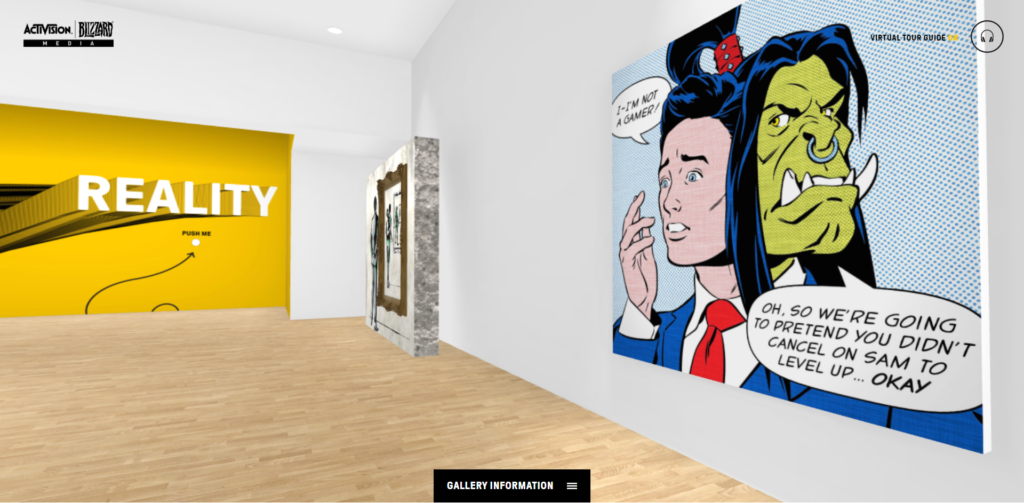
WebGL allows for a more streamlined game development process. Developers can create a game once and deploy it across multiple platforms. Updates and bug fixes can be made in real-time, eliminating the need for users to download patches.
Web based games are accessible to more people, as they don’t require downloads. This opens the possibility for new forms of interactive advertisement, where the user is an active participant in the experience. Games are no longer solely a product sold to the user for their entertainment, they can also become a medium for reaching a target audience.
Games company can also offer experiences complementing their games, such as Oculus’ Medal of Honour interactive experience, which takes the visitor through a town during World War II.
Fashion
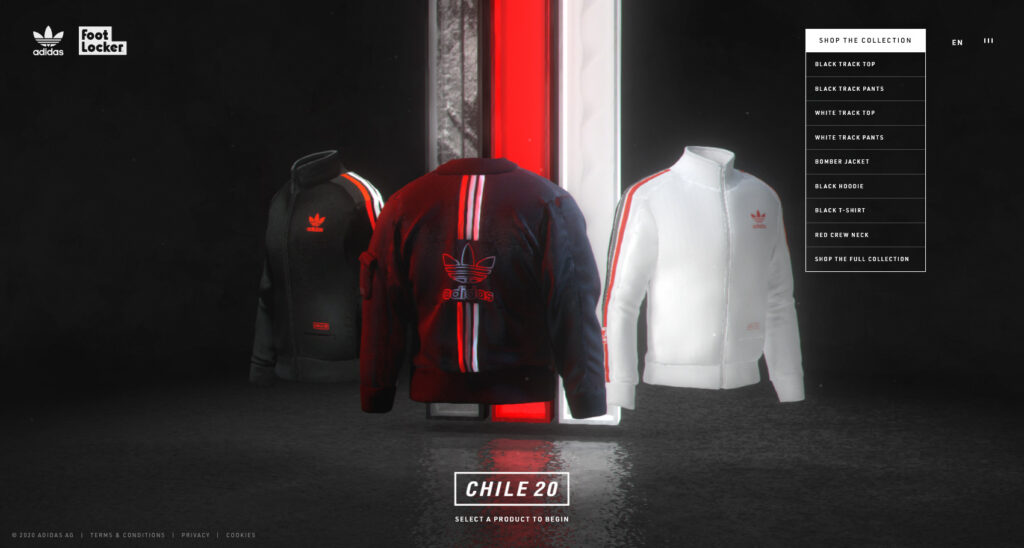
WebGL enables fashion brands to showcase their collections in a 3D environment, allowing customers to discover clothing from every angle. This approach gives customers a better understanding of the product and aids in their purchasing decisions.
Digital fashion is something that has appeared in the past few years. While the early days NFT hype for the idea of buying cosmetic items and wearing them on your avatar across multiple games / metaverses has yet to materialize, this is the kind of product that is made for displaying on a 3d web page.
But aside from these more obvious applications, fashion is an industry that experiments a lot with 3D web content. Our best of web database lists 7 3D web pages for Gucci alone. We particularly like this stylish painting product display gallery (a bit of a confusing description, best to check it out to understand what it is!). Going further down the experimental route, fashion brands also like to create mini games staging their products. Here’s a great example from Estée Lauder. And even further down the experimental line, here’s an abstract art installation in your browser from Chanel with artist Lucy Hardcastle.
This tase for the more innovative is hardly surprising, after all fashion brands constantly need to come up with new ideas and stun their viewers.
Health
The health industry heavily relies on technological innovation, which means it advertises itself accordingly. Brands will opt for clean, high tech visuals in order to showcase their technological advancements and reliability.
3D web content is also very useful for educational uses. Companies such as Biocloud 3D offer in browser anatomy visualisations, definitely a step up from 2D textbook drawings!
Real Estate and Architecture
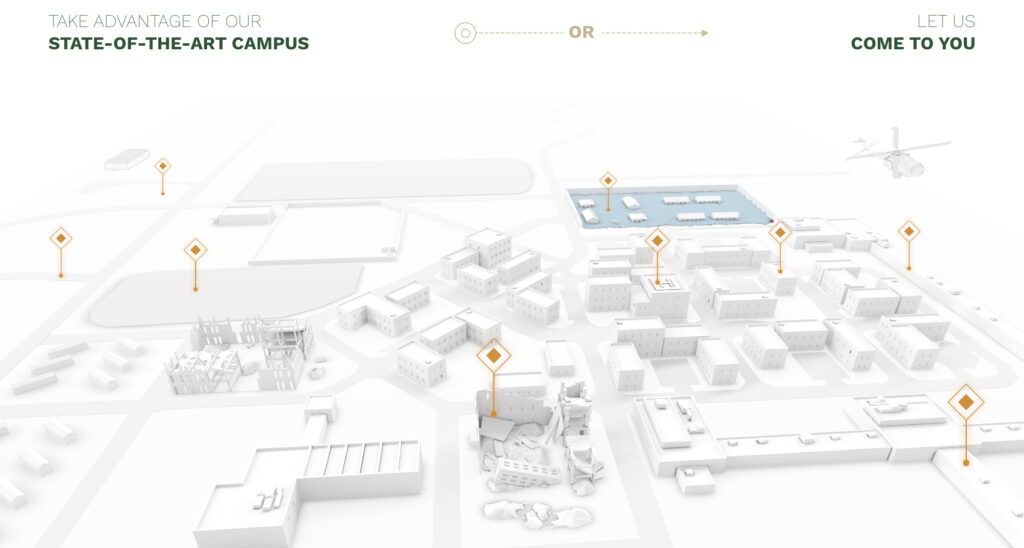
WebGL allows potential buyers and clients to take virtual tours of properties and architectural designs, replicating the in-person viewing experience. This is particularly advantageous for showcasing properties or designs to remote clients or for preliminary viewings.
Military
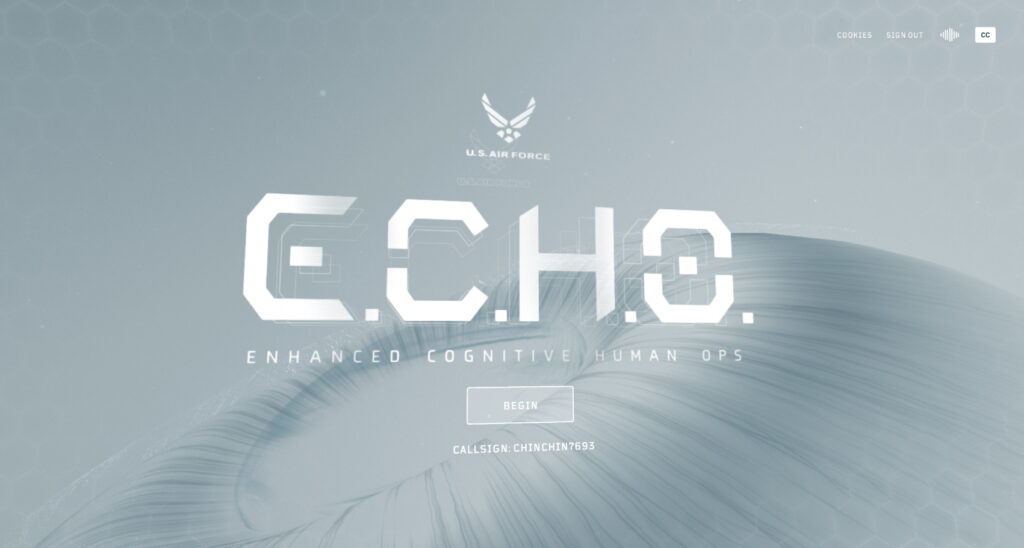
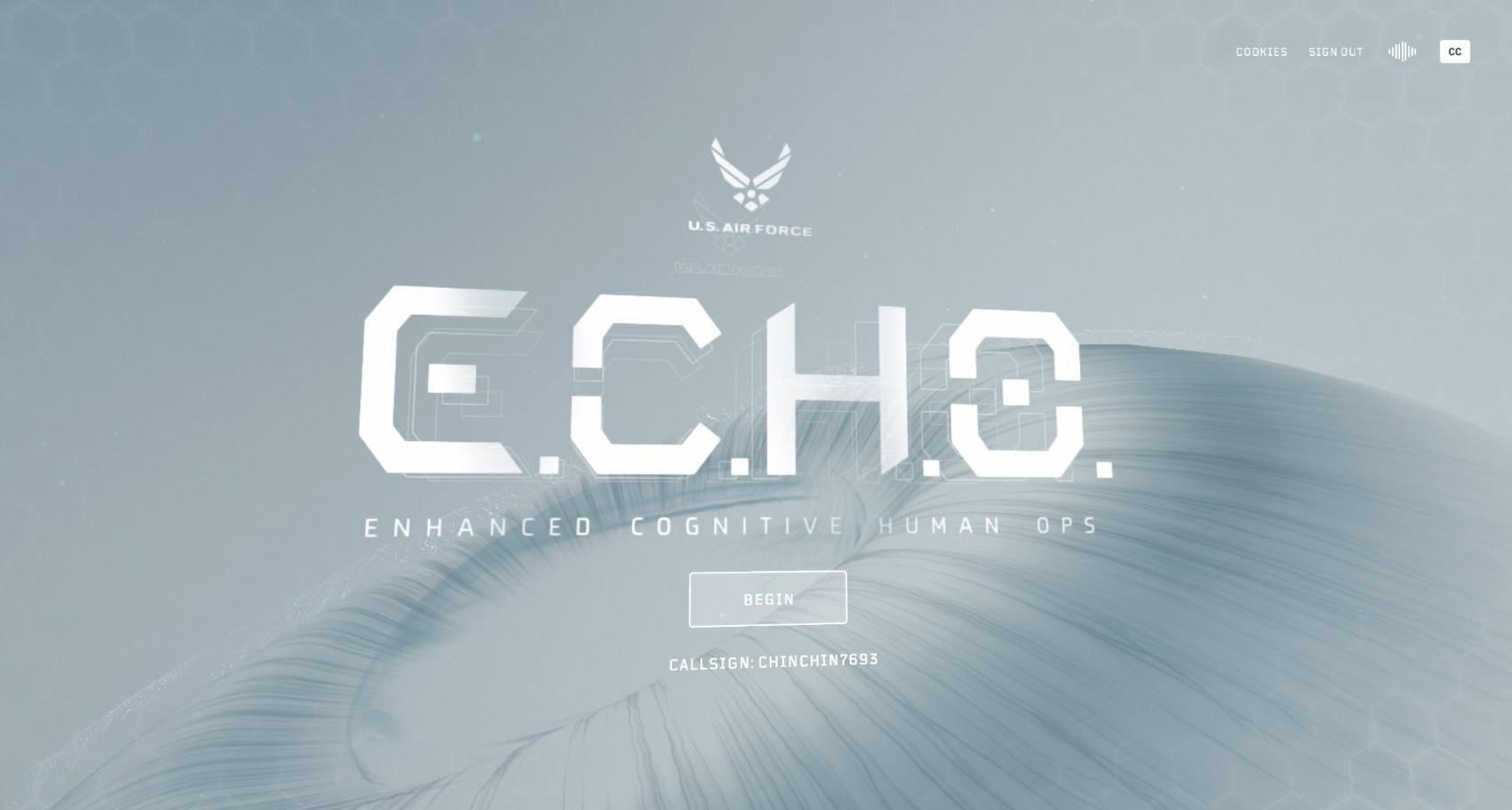
The US military have been creating some of the best 3D web games we’ve come across. They serve as both advertisement and recruitment tools. The futuristic look that can be achieved with WebGL makes these games attractive to gamers, who are now worthwhile recruits.
Telecoms
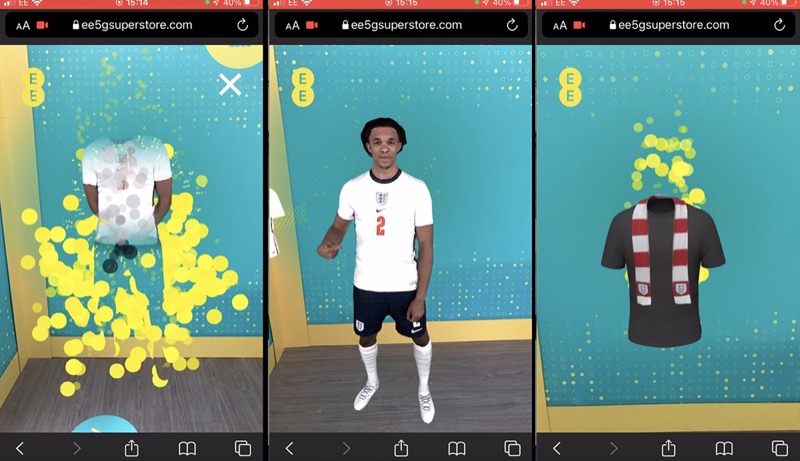
Telecom companies are heavily tech based and constantly competing with each other to attract new customers and retain existing ones.
We’ve seen them use WebAR as a way to advertise the strength of their signal, like when we coded the EE 5G AR Superstore. The experience was live right outside Wembley Stadium in London before a football match, so it was a great way for them to demonstrate their signal during a cramped period.
Tech
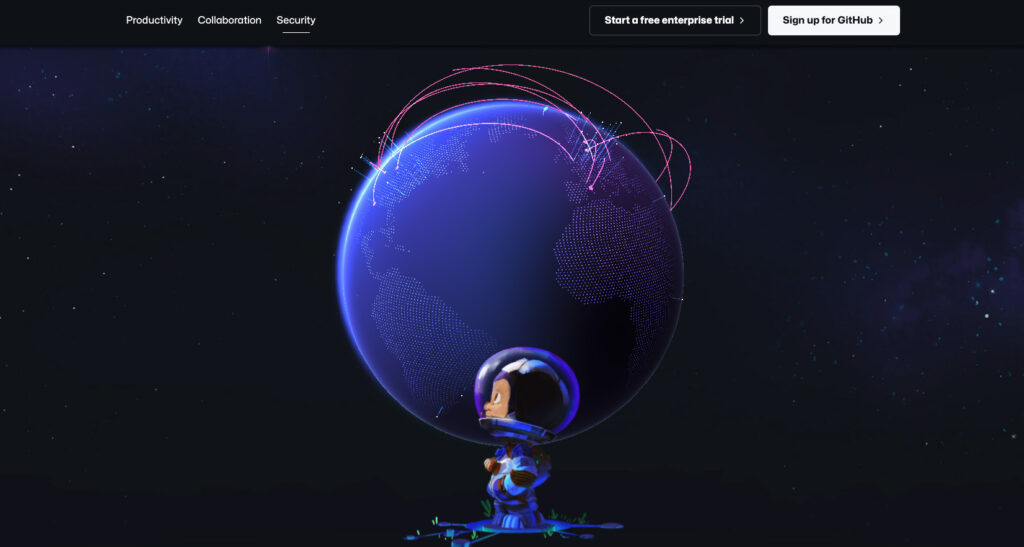
Tech companies tend to use 3D content to show that they are at the forefront of technology. This means they’ll use visuals that wouldn’t be out of space in a sci fi movie, with a futuristic cyber look, either abstract, or using some form of data visualistion.
Github‘s home page includes an animate globe at the bottom, showing recent commits from across the world in real time (you’ll only be able to see this if you aren’t logged in).
Stripe is another user of WebGL, this time in a very subtle and minimal way. It’s used to create the 2D animated gradient you see in the top left of the page. This is a much more efficient solution than using a video, as the user’s device just needs to download the code and the animation can run forever without looping (tbh it might loop at some point, but I don’t have the time to check if that’s the case or not!). The same animation in video format would need to loop, and could end up taking a huge amount of data if you wanted it to last a few minutes before repeating itself.
Food and Beverage
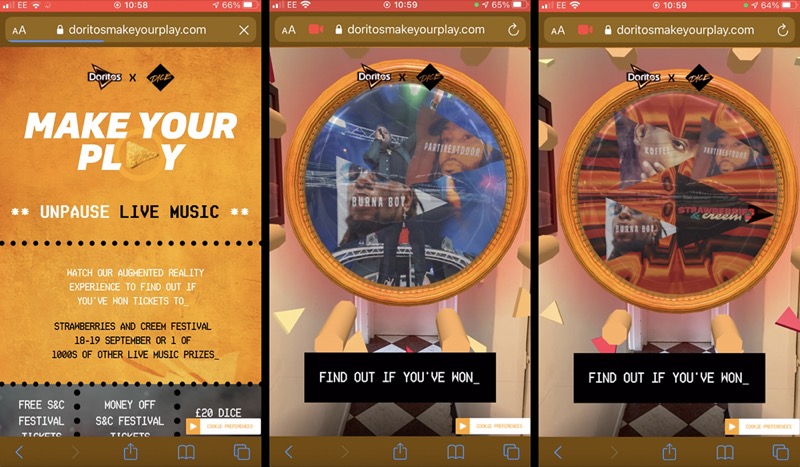
On the surface, it doesn’t seem that this industry would have much use for 3D web content. But while it’s true there aren’t any obvious uses for this type of content, it still has its uses.
We’ve seen it being used as a design element on websites to make them a bit more interesting. Quite a few beverage brands have used 3D models of their bottles or cans on their sites, as they come across great in this context. We haven’t seen much of that with food brands, which makes sense as food will only look appetising if it’s in extremely high resolution, so will look better in HD photo or video.
Some companies such as Red Bull will also use 3D web content to enhance the activities sponsor, such as extreme sports.
We’ve seen a foray by ASDA into using WebAR for cooking instructions – this is something that could have a lot of potential, as it makes the process les intimidating than reading a recipe. Other brands venturing into WebAR include Chick Fil A, Cadbury and Dr Pepper.
Entertainment
One of the earliest adopters of WebGL is the entertainment industry, with an interactive music video released in 2011 for Ellie Gouldings’ ‘Lights’ song (the experience is unfortunately no longer live, but you can watch a recording here ).
In more recent years, we’ve seen Youtube Music build an experiment bringing together thousands of Billie Eilish covers into a 3D space.
And our favourite example is probably this interactive scroll controlled experience for Russian Band Aquarium, which shows just how crazy things can get with some creativity and a lot of effort.